What Is Mini-Meditation?

In simpler terms, mini-meditation comprises of all the little acts of mindfulness that we can practice throughout the day. In contrast to traditional meditation, it goes beyond a specific time and position. It can encompass all the seemingly monotonous tasks like washing dishes, taking a shower or walking up the stairs, and changes them to mindful acts. Mostly, it trains your thought process to be more focused, patient, and positive.
You don't have to set out a specific time for mini-meditations. You can practice it throughout the day whenever you feel anxious or monotony taking over you.
Why Is It Important?
In today's fast-paced world, likely, you can't find an hour or a specified time for meditation. It is also expected that the stress and the conception can get to your nerves sometimes and make you restless. That is where mini-meditation comes in. In simple terms, it is practicing everyday tasks with full mindfulness to change them into pleasant actions and an end in themselves, as opposed to using them to achieve an end.
For instance, if you're walking upstairs, don't treat it as a means to an end. Instead, try to take it one step at a time. Enjoy the movement, and notice the things around you. Be more considerate and mindful of your environment.
What mini-meditation does mostly is that it encourages you to be more mindful of everyday tasks. It connects you both to your inner soul and the environment, making you live in the present as opposed to waiting for a likable future. Imagine this - you have to stand in a queue to pay your bills. For many of us, these kinds of situations are a source of frustration. However, during that process, instead of waiting if you approach it with mindfulness and simply be in the moment - it will not only ease your stress but would also help you appreciate life more.
So essentially, mini-meditation helps you to turn your mundane activities into small spiritual practices, which in turn will bring a unique sense of calmness, transparency, and focus in your lives.
Benefits of Mini-Meditation
Emotional Well-Being
Taking a time-off every day can get confusing sometimes. You have to focus on your career and your home. Juggling your hobbies, activities, and work-social life balance can be stressful. That is why you need these little moments throughout the day to appreciate life. Don't think of mini-meditation as a separate task you have to perform. Think of it as a way to approach life.
You'd notice that it will help you develop a new perspective in stressful situations, building skills to manage stress, increase self-awareness, and focus on the present.
Channeling Positive Energy
Another benefit of mini-meditation is that it changes your cognitive thinking to be more positive and accepting of the present. When you start recognizing the delight in mundane tasks, it helps you channel that positive energy externally as well. It could be something as little as washing your hands. The idea is to be thoughtful while doing that - feel the gush of water, the scent of soap, and relish the touch. It's a way of life that empowers you to be in control by refocusing your thought process.
Methods of Doing Mini-Meditation
Again - don't let the idea of the right way of meditating add to your concerns. That would be counter-productive. Instead, make mini-meditation a casual way of approaching life. You can begin with these small activities to train yourself in, including it more as a way of lifestyle.
Breathe Deeply
Breathing is a natural phenomenon. But ask yourself, when was the last time that you consciously took a breathe and showed gratitude for it?
To start, whenever you feel anxious or are waiting, choose to concentrate fully on breathing. Focus on the feeling and listening in as you breathe in and breathe out through your nose. Inhale profoundly and gradually. You'd notice that not only it'll help you release anxiety, but it'll also regroup your thoughts. More importantly, it will help you stay focused on the present as opposed to waiting for the future.
Scan your Body
When utilizing this strategy, focus attention around various areas of your body. Become mindful of your body's different sensations, regardless of whether that are ache, strain, warmth, or relaxation. You can mix body scanning with breathing activities and imagine breathing warmth or relaxation into and out of various parts of your body.
Mindful Walks
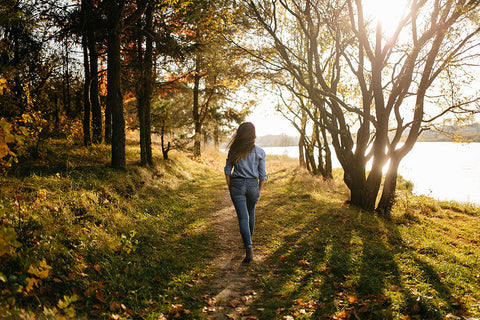
Walking with mindfulness is a productive and reliable approach to relax. You can utilize this practice anyplace you're walking, whether at home or on a city sidewalk. At the point when you use this technique, hinder your walking pace with the goal that you can concentrate on every move of your legs or feet. Try not to focus on a specific destination. Remember, the destination isn't important. What's important is the fact that you are mindfully present at this moment.
Conclusion
In the status quo, we barely get time for ourselves. It is stressful, and we understand that. That is why you need to inculcate mini-meditation as a part of your daily routine. Take everything one activity at a time and do it mindfully. Every day, choose to focus on the positive connotations with living as opposed to basing everything in a distant future that may or may not happen.
Remember - happiness is a choice, and when you practice mini-meditation, you are actively making that choice.
__ Written by Music Of Wisdom team
Follow Us:
Insight Timer | YouTube | Facebook | LinkedIn | Instagram