As humans, we are a part of the natural world, but our busy lives can make it easy to forget that. We often get lost in the hustle and bustle of our daily routines and lose sight of the beauty that surrounds us. However, it's important to remember that our well-being is intricately connected to the health of the planet. Mother Gaia, or Mother Earth, is a powerful force that provides us with everything we need to thrive, from the air we breathe to the food we eat.
In our fast-paced, technology-driven world, it's becoming increasingly important to find ways to reconnect with nature. Grounding ourselves in the natural world can provide us with a sense of calm and balance, helping us to better understand our place in the world. Here are five ways to ground and reconnect with Mother Gaia:

1. Earthing
Earthing, also known as grounding, is a practice that involves connecting with the natural energy of the earth. When we walk barefoot on the ground, grass, sand, or dirt, we allow our bodies to absorb the negative ions that are abundant in these environments. This natural energy can help neutralize free radicals in our bodies, reduce inflammation, and improve overall physical health.
Beyond the physical benefits, earthing can also have a profound impact on our emotional and mental well-being. By connecting with the earth's energy, we can feel more centered and grounded, and experience a sense of calm and balance. In a world that is increasingly busy and stressful, earthing provides an opportunity to slow down and reconnect with the natural world around us.
Moreover, studies have shown that earthing may have other benefits, such as improving sleep quality, reducing stress levels, and increasing energy levels. It is a simple yet effective way to improve our overall well-being, and it can be practiced virtually anywhere. Whether we choose to go for a walk on the beach, hike in the mountains, or simply spend time in our own backyard, earthing is a powerful way to connect with nature and improve our health.
2. Gardening
Gardening is another way to connect with Mother Gaia. Whether you have a small herb garden on your windowsill or a large vegetable garden in your backyard, tending to plants can help us feel more connected to the natural world. Planting, watering, and harvesting can be meditative practices that help us slow down and appreciate the beauty of nature.
Gardening is not only a way to connect with Mother Gaia, but it can also be a therapeutic and rewarding hobby. The act of planting, nurturing, and harvesting plants allows us to engage with the natural world and experience the beauty of growth and change firsthand. Whether we have a small herb garden on our windowsill or a large vegetable garden in our backyard, gardening can be a fulfilling and meditative practice that helps us slow down and appreciate the simple things in life.
In addition to the personal benefits, gardening can also be a way to give back to the planet. By growing our own food, we reduce our carbon footprint and support local agriculture. We can also choose to plant native species that provide habitats for local wildlife and support the health of our ecosystem.
3. Root Chakra Balancing
In yogic philosophy, the root chakra, or Muladhara, is considered the foundation of the chakra system. It is associated with our sense of stability, security, and connection to the earth. When the root chakra is balanced, we feel grounded, centered, and connected to our physical body and the natural world.
However, in our fast-paced modern lives, it is common for the root chakra to become imbalanced or blocked. This can lead to feelings of anxiety, restlessness, and disconnection from our physical body and the natural world. Fortunately, there are practices that can help activate and balance the root chakra and promote a deeper connection to Mother Gaia.
Yoga is a powerful practice that can help balance the root chakra. Grounding postures, such as Mountain pose, Tree pose, and Warrior poses, can help activate the energy of the root chakra and create a sense of stability and strength in the body. Meditation and breathwork can also be helpful tools for balancing the root chakra. Focusing on the breath and visualizing the color red, which is associated with the root chakra, can help activate and balance this energy center.
4. Using Crystals
Crystals have been used for centuries for their healing and grounding properties. They are believed to contain energetic vibrations that can help balance our own energy and promote well-being. Some crystals, in particular, are said to have grounding properties that can help us connect with Mother Gaia and feel more centered in our daily lives.
Black tourmaline is one such crystal that is believed to have powerful grounding properties. It is said to help neutralize negative energy and protect against electromagnetic radiation from electronic devices. Hematite is another crystal that is known for its grounding properties. It is believed to help us feel more present in our bodies and promote a sense of stability and strength. Smoky quartz is also a popular grounding crystal that is said to help us release negative energy and promote a deeper connection to the earth.
To incorporate these crystals into your daily life, you can place them in your home or workspace. Keeping a black tourmaline or hematite crystal near your computer or electronic devices can help protect against electromagnetic radiation and promote a sense of grounding. Carrying a smoky quartz crystal in your pocket or wearing it as jewelry can also help you feel more centered and connected to the earth. Incorporating these crystals into your meditation or yoga practice can also help promote a deeper sense of grounding and connection to Mother Gaia.
5. Nature & Mindfulness
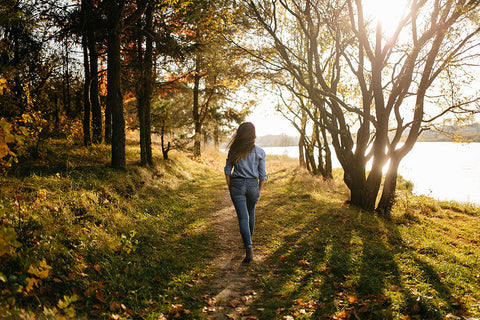
Connecting with Mother Gaia through nature exploration and mindfulness practice is crucial for our well-being in today's fast-paced, technology-driven world. Spending time in nature allows us to reconnect with the natural world and its healing energy, helping us to feel more centered and grounded. Whether it's a hike through the forest, a swim in the ocean, or simply sitting under a tree in the park, immersing ourselves in nature can provide a sense of calm and balance that is often lacking in our daily lives.
In addition to spending time in nature, mindfulness practices such as meditation and yoga can enhance our connection to Mother Gaia. Practicing these activities outdoors, surrounded by the sights and sounds of nature, can deepen our sense of connection and promote greater relaxation and inner peace. Mindfulness practice can also help us cultivate a deeper appreciation for the natural world, allowing us to fully embrace its beauty and wonder.
When practicing mindfulness in nature, it's important to take the time to fully engage with our surroundings. This means taking notice of the sights, sounds, and smells around us, and being fully present in the moment. Whether it's the rustle of leaves in the wind, the sound of a bird's song, or the scent of wildflowers, there is much to be gained from fully immersing ourselves in the natural world.
Final Thoughts
It's important to note that while these six ways to ground and reconnect with Mother Gaia can be helpful, they are not the only ways to connect with nature. Each person's relationship with the natural world is unique and personal. Some may find solace in a quiet walk through the woods, while others may prefer to spend time near water. The key is to find what works best for you and make it a regular part of your routine.
Additionally, it's important to remember that our relationship with nature is a two-way street. Just as we can benefit from connecting with Mother Gaia, we also have a responsibility to care for the planet. This means taking steps to reduce our impact on the environment, such as reducing waste, conserving water, and using sustainable products. By doing our part to care for the planet, we can help ensure that future generations can also enjoy the benefits of a healthy and thriving natural world.