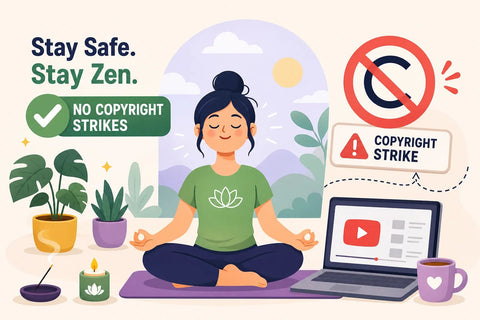
Meditation is becoming a popular mindfulness practice due to its mind and body benefits. In fact, the Pew Research Center discovered in a study that 40% of US adults meditate at least once a week. The majority of these individuals practice meditation to improve their general wellness, boost their energy levels, and enhance their mental health.
But while meditation is the most popular mindfulness practice, there are plenty of ways that you can reap these mind and body benefits. Here are a few alternatives to sitting meditation:
Listening to Music
Music is a powerful tool that can affect your mood and emotions. You may have already experienced listening to certain songs that uplift you when you're down or simply boost your happiness. Many studies have also proven that classical music, in particular, improves a listener's concentration and energy levels. Another option is specially-curated meditation music. For that, you can simply listen to one of our tunes from the Meditation Music Library. The selection of music includes songs that can help you relax at night and even ones that can perk you up during the day.
Stretching Your Body
Yoga is a great way to exercise your body and calm your mind, but a full routine may be too time-intensive or challenging for some individuals. The good news is that simple stretches are a viable alternative to either meditation or yoga. Stretching can promote better blood circulation, which helps in rejuvenating your muscles and lifting your mood. As such, stretching is one of the recommended daily activities of medical resource SymptomFind. Their article on the ‘10 Easy Stretching Exercises’ demonstrates the steps you need to follow to improve your flexibility and get your blood flowing. By stretching key muscles groups every day, you can improve your physical and mental health.
Cleaning Spaces
You can clean up your home and practice mindfulness at the same time by cleaning. This activity may be dreadful for some, but monks highly recommended cleaning as an alternative mindfulness practice. Case in point: Shoukei Matsumoto stated that cleaning should not be done because there is dirt around the space, but because it’s an activity that can cultivate the mind. He shared that monks consider the physical act of polishing the floor as a way of removing the earthly dirt from their souls. This illustrates that each individual is deeply connected to the state of their surroundings. So, if you need to clear your head, you can hit two birds with one stone by cleaning your space.
Writing Your Thoughts
Besides cleaning your home, you can organize your thoughts and clear your mind by journaling. Journaling is a personal activity, meaning you can explore your thoughts without any judgment or expectation. Most importantly, this alternative practice is similar to meditation because it can help you understand your thoughts and frame your mind. To illustrate, Atlanta Magazine suggests that you can shift your mind into a more optimistic state by creating a gratitude list. You can also write a cathartic letter to gain closure from an unresolved situation. Depending on your journaling strategy, you can reframe different aspects of your thoughts.
Mindfulness is not limited to just one practice, so you are free to explore different methods. Achieve mindfulness the way you want by listening to some tunes, stretching out your muscles, cleaning your home, or even writing down your thoughts. Try out each of these alternatives until you find the one you're most comfortable with.